Recycling and Sustainability for Gardeners White City
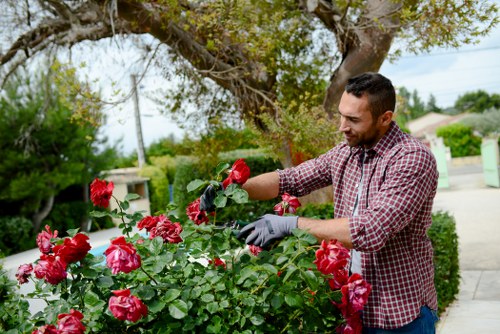 Gardeners White City is shaped by a practical, local approach to recycling and sustainability that supports cleaner streets, smarter material recovery, and lower-impact garden maintenance. Across the area, our teams work with a clear focus on reducing waste sent to landfill and increasing the proportion of organic and recyclable materials that are diverted into reuse and recovery streams. Our recycling percentage target is set at 85% of suitable green waste and related materials being separated for recycling, composting, or specialist recovery wherever the material allows.
This approach matters in a busy part of London where space is limited and waste streams can be mixed. By separating green cuttings, soil, timber offcuts, and packaging carefully, Gardeners White City helps improve local resource efficiency while supporting borough expectations around waste separation. In many nearby boroughs, residents and businesses are already encouraged to sort dry recycling, food waste, garden waste, and residual rubbish into different streams, and our methods are aligned with that wider culture of responsible sorting.
We also make use of local transfer stations to keep journeys efficient and disposal routes compliant. These facilities allow garden waste, green materials, and other recyclable loads to be consolidated before they are sent onward for processing. By using local transfer stations rather than unnecessary long-haul trips, White City gardeners can reduce mileage, improve route planning, and make sure materials are handled through the most suitable recovery channels.
Working with Local Recovery Systems
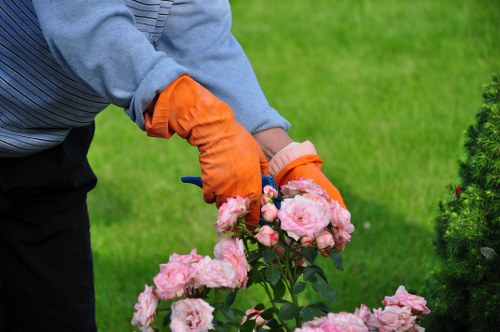 Sustainability in gardening is not only about what gets recycled, but how every stage of the work is organised. Our team prioritises source separation on site, so that compostable green waste does not become contaminated with plastics, metal fixtures, or general rubbish. This is especially important in urban gardening, where planters, soil refreshes, hedge work, and planting changes often generate mixed materials that need sorting with care.
In practical terms, the recycling process can include green waste chipping, soil screening, timber segregation, cardboard separation, and the reuse of clean containers or sacks where appropriate. For example, pruned branches may be routed for mulch or biomass recovery, while leaves and softer clippings are generally directed toward composting streams. These Gardeners White City recycling methods help keep materials in circulation and reduce the environmental burden of disposal.
 The boroughs around White City often emphasise waste separation as part of wider sustainability goals, and this influences how we organise our work. We keep recyclable fractions distinct from residual waste, which supports better downstream processing and makes it easier for local facilities to recover value from each load. Even small decisions, such as separating clean green waste from non-organic debris, can make a measurable difference to the quality of the recycling stream.
Charity Partnerships and Reuse
Another important part of our sustainability programme is our partnership with charities and community reuse organisations. When garden materials, pots, fixtures, tools, or decorative items are still usable, we look for ways to pass them on rather than discarding them. This can include collaborating with local charities that support community growing spaces, allotment groups, or social projects that benefit from donated items in good condition.
These partnerships help extend the life of materials and reduce unnecessary waste. Rather than sending every item to a transfer station or recycling facility, we explore whether a serviceable item might be reused in a community garden, training space, or charitable project. For Gardeners White City, this is a practical way to combine environmental responsibility with positive local impact.
Where direct reuse is not possible, we still aim for responsible recycling. Clean metal fixtures can be directed into metal recycling streams, untreated wood may be processed for recovery, and suitable plant-based waste can be transformed into compost or soil improver. In this way, our recycling and sustainability commitments are built around the idea that useful materials should stay in use for as long as possible.
Low-Carbon Vans and Smarter Transport
Transport plays a major role in the overall footprint of any garden service, so we continue to invest in low-carbon vans for our White City operations. These vehicles are chosen to reduce emissions, improve fuel efficiency, and support cleaner movement between gardens, transfer stations, and recycling destinations. By using more efficient vans, we can reduce the carbon impact of routine collections while maintaining a reliable service.
 Route planning also supports this goal. Loads are grouped where possible, transfers are scheduled carefully, and journeys are kept efficient to avoid unnecessary mileage. This is especially valuable in a central London environment, where traffic, restricted access, and multiple drop-off points can all increase emissions if transport is not managed well. Our low-carbon fleet is part of a broader strategy to make Gardeners White City as sustainable as possible.
The result is a service that balances local responsiveness with environmental responsibility. From the first separation of garden waste to the final destination of recyclable materials, each stage is designed to reduce waste and support better resource recovery. In practice, that means using the right vehicle, the right transfer point, and the right recycling route for each load.
Committed to Cleaner Outcomes
 Sustainability is not treated as a separate task; it is built into the everyday way Gardeners White City operates. Whether handling pruning debris, renovation waste, or materials from seasonal clear-ups, we keep a close eye on what can be recycled, what can be reused, and what should be sent through the most responsible recovery route. Our target recycling percentage remains a key measure of progress, but the wider aim is to make every job more resource-conscious than the last.
For local customers, this means working with a gardening team that understands the practical realities of urban waste management and the importance of compliant sorting. For the area itself, it means supporting borough-level waste separation habits, charity reuse, and lower-emission transport choices. Together, these actions help make Gardeners White City recycling services a stronger part of the local sustainability picture.