Garden Maintenance in White City: Creating Healthy, Attractive Outdoor Spaces All Year Round
Why Garden Maintenance in White City Matters

Garden maintenance in White City is about much more than keeping grass short and borders tidy. In a busy urban setting, outdoor spaces often face a unique mix of challenges: compact plots, shaded areas, pollution, fluctuating weather, and heavy foot traffic. Whether you have a small private garden, a communal courtyard, or a larger landscaped property, consistent care helps your outdoor space stay healthy, attractive, and usable throughout the year.
A well-maintained garden can transform the feel of a property. It creates a better first impression, supports biodiversity, improves air quality, and offers a peaceful place to relax. In White City, where both residential and commercial spaces benefit from strong curb appeal, regular garden maintenance plays a practical and aesthetic role. Healthy soil, neat planting beds, and controlled growth all contribute to a more enjoyable environment.
Many property owners assume that gardens only need attention in spring and summer, but that is not the case. Garden maintenance in White City should be planned across the full year to account for seasonal growth, pruning schedules, lawn care, and soil health. By staying on top of routine tasks, it becomes easier to prevent expensive problems later, such as overgrown shrubs, pest infestations, patchy lawns, and drainage issues.
Understanding the Local Conditions in White City

Every area has its own environmental profile, and White City is no exception. Gardens here may deal with limited sunlight between buildings, wind tunnels created by nearby structures, and compacted soil from construction or frequent use. These factors affect how plants grow and which maintenance routines work best. Successful garden maintenance in White City begins with understanding these local conditions and adapting care accordingly.
For example, shaded gardens often need plants that tolerate lower light levels, while exposed spaces may require extra watering and wind protection. Urban gardens may also suffer from soil that has been disturbed, low in nutrients, or overly dense. Regular feeding, aeration, and mulching help restore balance. Local knowledge matters because it allows maintenance decisions to be practical rather than generic.
Noise, dust, and surrounding development can also influence gardening schedules. In some cases, planting and pruning windows need to be adjusted to avoid stressing plants during hot spells or periods of drought. A thoughtful approach to garden maintenance in White City ensures that the space remains resilient even when external conditions are less than ideal.
Core Services Involved in Garden Maintenance in White City

Garden maintenance in White City typically involves a combination of regular and seasonal tasks. The exact service mix depends on the size of the garden, the types of plants involved, and how the space is used. However, most effective maintenance plans include a blend of lawn care, pruning, weed control, planting support, and general tidying.
Common tasks include:
- Lawn mowing and edging to keep grass neat and healthy
- Weeding to reduce competition for nutrients and water
- Pruning and trimming to control shape, encourage growth, and remove dead material
- Hedge cutting for tidy boundaries and privacy
- Leaf clearance to prevent slippery surfaces and smothered lawns
- Soil conditioning and mulching to improve moisture retention and nutrient levels
- Planting and seasonal refreshes to keep the garden attractive throughout the year
These tasks may sound simple, but consistent execution makes a major difference. When handled properly, they reduce plant stress and support steady, healthy growth. A good maintenance routine also improves the overall presentation of the garden, making it feel cared for rather than neglected.
Lawn Care as the Foundation of a Tidy Garden

In many properties, the lawn is the most visible feature and often the first thing people notice. That is why lawn care is central to garden maintenance in White City. A lawn that is regularly mowed, fed, aerated, and watered correctly tends to look more vibrant and resist disease more effectively. Neglected grass, by contrast, becomes thin, patchy, and vulnerable to moss, weeds, and wear.
Good lawn maintenance is not only about mowing height. It also involves seasonal treatments, attention to soil structure, and identifying problems early. In areas where grass receives limited sunlight, mowing too short can weaken the lawn further. In contrast, lawns in sunnier positions may benefit from deeper but less frequent watering to encourage stronger roots. Balanced lawn care is one of the best investments in a garden’s long-term appearance.
Some useful lawn care practices include:
- Cutting grass regularly without removing too much at once
- Leaving grass slightly longer during dry weather
- Aerating compacted areas to improve airflow and drainage
- Applying seasonal feed to replenish nutrients
- Overseeding thin patches to restore density
When lawn care is integrated into wider garden maintenance in White City, the whole outdoor area feels more polished. Paths, borders, and planting beds look better when framed by a well-kept lawn.
Pruning, Trimming, and Shaping Plants for Healthy Growth
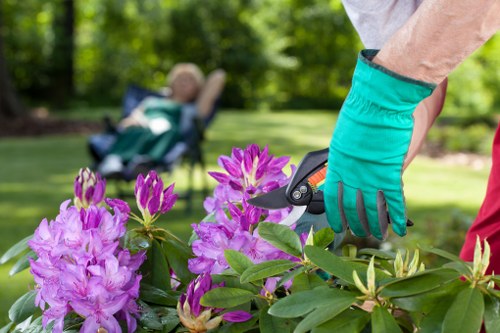
Pruning is one of the most valuable elements of garden maintenance in White City because it supports both plant health and appearance. Trees, shrubs, hedges, and climbers all benefit from appropriate cutting at the right time of year. Proper pruning removes dead, damaged, or overcrowded growth and helps plants produce stronger, more balanced forms.
Many people are hesitant to prune because they worry about damaging plants. However, leaving overgrown branches in place can create bigger problems. Poor airflow, weakened structural growth, and reduced flowering are all common issues when pruning is delayed. Regular trimming also helps keep pathways clear, windows unobstructed, and communal areas safer.
There are several pruning priorities to keep in mind:
- Remove dead or diseased branches first
- Thin out congested growth to improve light and airflow
- Shape hedges and shrubs to maintain a neat outline
- Cut back climbers before they spread into unwanted areas
- Time pruning carefully to match the species and season
In White City gardens, where space may be limited, good trimming techniques help prevent plants from overwhelming the entire layout. This keeps the garden open, tidy, and easier to enjoy.
Weed Control and Border Management
Weeds are one of the most persistent issues in any outdoor space, and garden maintenance in White City is no exception. Because urban gardens often have disturbed soil and frequent replanting, weeds can establish quickly if they are not managed consistently. They compete for light, water, and nutrients, and they can make even a healthy garden look unkempt.
Effective weed control is about more than pulling out visible growth. It also involves preventing regrowth and reducing the conditions that allow weeds to spread. Mulching, edging, proper planting density, and regular inspection all help keep borders under control. In paved areas, cracks and joints should also be checked, as weeds often appear there first.
A well-managed border improves the whole garden. Clean edges create structure, while weed-free beds allow flowers, shrubs, and ornamental grasses to stand out. Border maintenance should therefore be part of any consistent garden maintenance plan in White City, especially where presentation is important.
Seasonal Garden Maintenance in White City
Seasonal changes have a major impact on what a garden needs. A successful approach to garden maintenance in White City recognises that spring, summer, autumn, and winter each require different priorities. By planning ahead, property owners can keep the garden in better condition with less effort over time.
Spring
Spring is the season of renewal. It is a good time to clear winter debris, cut back damaged growth, refresh borders, feed the soil, and prepare planting areas. Lawn recovery often begins here too, especially after cold and wet weather has left bare patches or moss. New planting can also be introduced once the risk of frost begins to pass.
Summer
Summer maintenance focuses on watering, mowing, deadheading flowers, and keeping growth under control. In warmer periods, plants may need extra support to reduce stress. Mulch can help retain soil moisture and reduce evaporation. Regular checks are especially important because weeds and pests often become more active during this season.
Autumn
Autumn is the time to prepare for colder weather. Fallen leaves should be cleared from lawns and paths, tender plants may need protection, and pruning can be completed on species that benefit from late-season care. It is also a practical time to improve soil structure, because damp conditions help compost and mulch settle effectively.
Winter
Winter garden maintenance is often lighter, but it should not be ignored. Structural pruning, debris removal, and protection from frost all matter. It is also a good period to plan future planting, inspect drainage, and review what worked well during the year. Consistent winter care helps ensure the garden is ready to respond quickly once spring returns.
Plant Health, Soil Care, and Long-Term Garden Performance
Healthy plants start with healthy soil. In garden maintenance in White City, soil care should never be treated as an afterthought. Even the most attractive plants will struggle if the soil is compacted, depleted, or poorly drained. Regular feeding, mulching, and aeration all support stronger plant performance and reduce the risk of disease.
It is useful to monitor the soil’s condition throughout the year. If water pools on the surface after rain, the ground may be compacted or have drainage problems. If plants are showing pale leaves or stunted growth, the soil may need additional nutrients. Compost and organic matter can make a significant difference, improving texture while feeding beneficial organisms below the surface.
Long-term success in garden maintenance in White City often comes from small but consistent improvements. Healthy soil supports roots, roots support top growth, and top growth shapes the overall appearance of the garden. This cycle is what keeps outdoor spaces attractive and resilient over time.
Pest and Disease Management in Urban Gardens
Pests and plant diseases can appear in any garden, but urban environments sometimes create conditions that make them harder to spot early. Garden maintenance in White City should therefore include regular inspection of leaves, stems, soil, and undergrowth. Catching problems early usually means simpler treatment and less damage.
Common signs of trouble can include chewed leaves, discoloured patches, sticky residue, mould, or unusual spots on foliage. The best response is usually a combination of prevention and timely action. Removing dead material, avoiding overcrowding, and watering carefully all reduce the chance of disease. Good airflow is especially important because damp, congested areas can become breeding grounds for fungal issues.
When a pest or disease issue appears, the approach should be measured. Overuse of chemicals can harm beneficial insects and affect the wider garden ecosystem. Instead, many problems can be reduced through pruning, hygiene, and targeted treatment. This makes plant care more sustainable and better suited to long-term garden maintenance in White City.
Communal and Commercial Garden Maintenance Needs
White City includes a mix of private homes, apartment developments, business premises, and shared outdoor spaces. Each one has different maintenance expectations, but all benefit from regular attention. Communal gardens, for example, need to stay safe, attractive, and usable for multiple people. Commercial landscapes, on the other hand, often need a polished appearance that supports a business’s image.
In shared spaces, tidy lawns, clean pathways, and well-managed planting beds help create a welcoming atmosphere. Maintenance schedules may need to be more frequent because these areas receive more use and are more visible to residents, staff, or visitors. Reliable garden maintenance in White City helps ensure these spaces remain consistent rather than fluctuating between neat and neglected.
Some important priorities for communal and commercial sites include:
- Keeping entrances and paths clear
- Maintaining hedges for visibility and safety
- Controlling weeds in paving and borders
- Refreshing seasonal planting for visual appeal
- Removing litter, fallen leaves, and debris promptly
When these spaces are well maintained, they feel more inviting and reflect positively on the property as a whole.
How Regular Maintenance Saves Time and Money
One of the biggest advantages of consistent garden maintenance in White City is that it prevents small issues from becoming large, expensive ones. A hedge that is trimmed regularly is much easier to manage than one that has been left to grow unchecked for months. A lawn treated early for moss or compaction is easier to restore than one that has collapsed into bare soil and weeds.
Routine maintenance also reduces the need for emergency work. For example, fallen branches, blocked drains, overgrown trees, and neglected borders can all create avoidable problems. Preventive care is almost always more efficient than major repair work. It also gives better results because plants respond more positively to steady attention than to sudden heavy intervention.
From a practical point of view, a reliable schedule allows the garden to remain presentable with less disruption. This is particularly helpful for busy households, landlords, and businesses that need outdoor spaces to look good without constant oversight. Regular care is simply the smarter approach for long-term value.
Choosing the Right Maintenance Approach for Your Garden
Not every garden needs the same level of attention, and garden maintenance in White City should be tailored to the space. A small courtyard with a few raised beds will require a different approach from a large shared lawn or a densely planted border. The best plan is one that matches the garden’s design, plant selection, and use patterns.
Useful questions to ask include:
- How much sunlight does the garden receive?
- Is the space mainly decorative, practical, or both?
- Are there lawns, hedges, beds, trees, or containers to maintain?
- Does the garden need weekly, fortnightly, or seasonal visits?
- Are there drainage, soil, or shade issues that need special attention?
Answering these questions helps shape a realistic maintenance routine. Some gardens need more frequent mowing and weeding, while others benefit more from pruning, mulching, and plant replacement. The key is to stay flexible and let the garden’s condition shape the schedule.
Making Outdoor Spaces More Enjoyable
A well-kept garden does more than improve property appearance. It creates a place where people actually want to spend time. In White City, where outdoor areas may be limited, the value of a welcoming garden is even greater. Whether it is used for relaxation, play, entertaining, or simple visual enjoyment, a cared-for space feels more comfortable and useful.
Even modest improvements can make a big difference. Crisp edges, healthy plants, and clean surfaces help a garden feel organized and calm. Adding seasonal colour, maintaining seating areas, and keeping access routes clear all improve the overall experience. Good garden maintenance in White City is ultimately about quality of life as well as appearance.
If your garden has started to feel overgrown, tired, or difficult to manage, now is the right time to act. Regular maintenance restores order, protects plant health, and helps the space stay attractive in every season. Contact us today to keep your outdoor area looking its best, or book your service now to make garden care simpler and more effective.
Helpful priorities for maintaining a strong garden all year
Keep the routine consistent
Regular visits make it easier to stay ahead of growth and reduce larger problems later.
Focus on the basics
Mowing, pruning, weeding, and soil care remain the foundations of successful garden upkeep.
Adapt to the season
Different weather conditions require different tasks, so seasonal planning is essential.
Garden maintenance in White City becomes far more manageable when the right tasks are done at the right time. With steady care, your garden can remain neat, healthy, and enjoyable throughout the year.