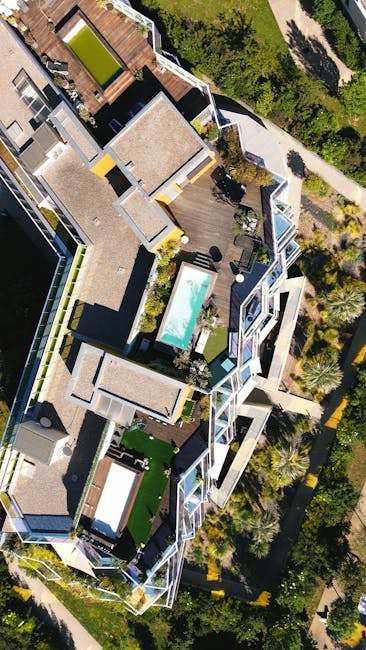
White City gardeners for Westfield homes and roof gardens: a practical guide for better urban outdoor spaces
If you live near Westfield and you're trying to make a small courtyard, a raised terrace, or a rooftop planting area feel calm rather than cramped, you already know the challenge. Urban gardens are wonderful in theory, but in real life they deal with wind, shade, access issues, awkward containers, and the sort of maintenance that slips quietly down the to-do list. That is where White City gardeners for Westfield homes and roof gardens earn their keep. The right local help can turn a patchy, tired, or hard-to-manage space into somewhere you actually want to use, not just look at through the window.
In this guide, we'll walk through how roof gardens and West London home gardens work in practice, what good maintenance looks like, which services matter most, and how to avoid the common mistakes that make city gardens more hassle than haven. Nothing fluffy. Just proper, usable advice.
Why White City gardeners for Westfield homes and roof gardens Matters
White City sits in one of those parts of London where outdoor space is precious. Some homes have compact rear gardens, some have terraces, and some have roof gardens that look lovely in spring but become a bit unforgiving by mid-summer or mid-winter. The point is not just keeping things tidy. The point is making outdoor space work for the way you live.
That matters more than people think. A roof garden is not simply a garden moved upstairs. It has its own weight, drainage, wind exposure, access route, and planting constraints. A Westfield-area home garden may be overlooked by neighbours, or shaded by nearby buildings for much of the day. Without the right approach, you end up with thin grass, sad pots, woody climbers in the wrong place, and surfaces that stay slippery far too long after rain. Not ideal, to be fair.
Local gardeners who understand the area can plan around these conditions rather than fighting them. They know that a planting scheme that works in a sunny suburban plot may fail badly on a breezy roof or a north-facing terrace. They also understand the rhythm of urban upkeep: leaf build-up, surface staining, hedge growth, container watering, and the little repairs that stop problems becoming expensive.
If you want a broader service base behind the design work, it helps to use established local support such as gardening services in White City W12, especially where the space needs a mix of care, reshaping, and practical problem-solving. For lawns specifically, dedicated support like lawn care in White City W12 or regular lawn mowing can keep the ground layer healthy instead of patchy and tired.
And then there is the social side of it. A good roof garden makes a flat feel bigger. A well-kept front space changes the first impression of a home. A neat, planted terrace can make a busy week feel a little less busy. That sounds simple because it is simple. But simple does not mean easy.
How White City gardeners for Westfield homes and roof gardens Works
The best way to think about this work is as a sequence, not a one-off tidy-up. Good gardeners usually start with a practical view of the site: where water sits, where sun reaches, how exposed the space is, what is growing well, what is failing, and what the owner actually wants from the area.
For a roof garden, that assessment is especially important. A planting container that looks fine on the ground may dry out quickly on a roof. A heavy planter can be a problem if the structure wasn't planned with load in mind. And those gorgeous tall grasses? They can become a bit theatrical in the wind. Beautiful, yes. Slightly dramatic on a gusty day? Also yes.
In a typical service flow, a gardener may:
- inspect the current layout and identify problems
- clear weeds, debris, and dead growth
- trim shrubs, hedges, and climbers to shape and size
- improve planting beds or containers with fresh compost or mulch
- adjust lawn care routines where turf is still part of the design
- clean hard surfaces so the garden feels usable again
- recommend structural or design improvements for longer-term results
This is where linked services often matter. A garden rarely needs just one thing. A tired roof terrace may need patio cleaning, a better layout through landscaping, and maybe a safer boundary solution through fencing. If timber is involved, decking services can help create a usable surface that feels good underfoot and visually ties the space together.
On a roof, access also matters. Materials, waste, water, tools, and even compost bags have to be moved carefully. That means planning is not optional. It is the job. The better the planning, the less disruption for you and the safer the whole project feels.
Sometimes the work is light and recurring. Sometimes it is a restoration job after a long neglect period. Either way, the aim is the same: make the space manageable, attractive, and suited to its conditions rather than copied from somewhere else.
Key Benefits and Practical Advantages
When people first search for White City gardeners for Westfield homes and roof gardens, they often think about appearance. Fair enough. But the practical benefits are usually what makes the service worthwhile long term.
- Better use of limited space. In a compact urban setting, every square metre needs a job. Good planning helps create seating, planting, storage, and clear movement paths without the clutter.
- Healthier plants. Roof gardens and enclosed city gardens can be tough on plants. The right care improves rooting, watering balance, and seasonal resilience.
- Less maintenance stress. If a garden is set up well, you spend less time firefighting. That matters a lot when you're already busy with work and travel.
- Improved privacy. Hedges, climbers, trellis planting, and thoughtful screening can soften overlooking views without making a space feel boxed in. If you are exploring this, the article on thriving hedges for privacy is a useful companion read.
- Safer surfaces and boundaries. Mossy paving, loose boards, damaged edges, or unstable growth can create avoidable hazards. Good maintenance cuts that risk down.
- More year-round value. A smart garden is not just for summer. Winter structure, evergreen planting, and weather-ready surfaces keep the space useful throughout the year.
There is another benefit that gets overlooked: a calm head. Honestly. If you know your garden is under control, it takes one more thing off your mind. A clean patio, a clipped hedge, and a space that does not look like it lost a fight with the weather can make home feel better, full stop.
For people who want to layer in planting interest, container-led schemes can work especially well. A good reference point is vibrant container gardens, which suits roof spaces and terraces where flexibility matters. Likewise, if your space needs a softer, more natural look without overcommitting to permanent beds, groundcover ideas from this ground cover guide can be surprisingly useful.
Who This Is For and When It Makes Sense
This kind of gardening support is not only for large homes or showpiece roof gardens. In fact, the people who benefit most are often the ones with small or awkward spaces. A tiny terrace can become much more usable with the right layout. A roof garden can become much more resilient with better planting and maintenance. A narrow side return can stop feeling forgotten.
You may need this service if you:
- own a Westfield-area home with a garden that is hard to keep tidy
- have a roof terrace or balcony garden that dries out or gets battered by wind
- want regular help rather than occasional panic-clearing
- are moving in or moving out and need the outdoor space refreshed
- have overgrown hedges, climbers, or borders that are swallowing the layout
- need a garden that looks presentable for family use, guests, or letting purposes
- want a design that works for children, pets, or both
It also makes sense when you are tired of doing the same jobs yourself and getting nowhere. You know the sort of thing: two hours spent cutting back growth, another hour clearing leaves, then the whole place looks the same again by next week. A decent maintenance plan changes that cycle.
For families, there are often extra priorities. Safe planting. Clear edges. Durable surfaces. Sensible access. If that sounds familiar, the guide on building an engaging garden for toddlers and the one on dog-accessible spaces can help you think through the right balance.
For people who are starting from scratch, a garden can feel slightly intimidating. That is normal. If you want a gentle, practical entry point, the article tips for beginner gardeners is a solid place to begin.
Step-by-Step Guidance
Here's a sensible way to approach a White City home or roof garden, especially if you want results that last rather than a quick tidy-up that fades by the weekend.
- Assess the site honestly. Look at sunlight, shade, wind, drainage, access, and how you actually use the space. Be blunt. Is the seating comfortable? Does water pool? Are the plants surviving, or merely hanging on?
- Remove the obvious problems. Cut back overgrowth, clear debris, remove weeds, and deal with any dead or damaged material. This gives you a clean read on the space.
- Sort the surfaces. Clean patios, paths, decking, and steps so the area feels safe and usable. Slippery surfaces are a common urban-garden annoyance, especially in shaded corners.
- Shape the structure. Hedges, screens, climbers, and borders should define the space rather than overwhelm it. Good structure makes even a small garden feel more intentional.
- Choose plants for conditions. Roof gardens often need drought tolerance and wind resilience. Sheltered courtyards may need shade tolerance. Avoid wishful thinking. Plants do not usually reward it.
- Add practical features. Consider seating, storage, a raised bed, improved boundaries, or a decking zone. These features should serve the layout, not just fill it.
- Set a maintenance rhythm. Decide what needs monthly care, seasonal work, and annual review. This is where regular garden maintenance in White City becomes the difference between control and chaos.
One small but important point: do not redesign everything at once unless the site really needs it. In urban gardens, a phased approach is often smarter. You can tackle the worst problems first and improve the rest over time. That keeps costs and disruption more manageable.
If trees are shading the space too heavily or branches are creating risk, a qualified approach matters. Where appropriate, tree surgery services can help reduce hazards and improve light without butchering the tree. That balance is easy to get wrong, so use judgment rather than a heavy hand.
Expert Tips for Better Results
Roof gardens and West London home gardens are less forgiving than many people expect. A few expert habits make a big difference.
- Think wind first, style second. On an exposed roof, lightweight items, tall loose planting, and flimsy fixings can become trouble fast. Pick materials that can cope.
- Use containers with purpose. Large pots hold moisture longer and give roots more room, but they also add weight. Balance those two factors carefully.
- Keep the planting palette coherent. Too many plant types can make a small space look busy in a bad way. Repetition often looks calmer and more expensive, oddly enough.
- Prioritise evergreen structure. A garden that only looks good for six weeks is a disappointment. Evergreen climbers, hedges, and shrubs keep the space alive through harder months. The piece on evergreen climbers for shade is worth a look if your space is dim or north-facing.
- Use vertical space. When ground area is limited, walls, trellis, shelves, and planted screens can do a lot of work. See also vertical gardening ideas.
- Stay ahead of maintenance. A little and often beats rare, heavy clear-outs. Especially with hedges and fast-growing climbers.
And here's one practical truth from the field: if the garden is making you feel guilty every time you look at it, the layout or maintenance plan is probably wrong. It should feel manageable. That is the test.
For hedges and topiary-style shaping, precision matters. The guide on dynamic hedge shapes and trimming techniques is a good reference if you want cleaner lines and a more deliberate finish.
For a softer, more contemplative feel, you might also explore zen-inspired garden ideas. They suit roof terraces better than you might think, especially when the goal is a pause in the day rather than a high-energy social space.
Common Mistakes to Avoid
Most garden problems in this setting are not dramatic. They are slow, practical mistakes that build up. The good news? They are avoidable.
- Choosing plants for the catalogue picture, not the site. A plant that looks perfect online may hate wind, shade, or drying conditions.
- Ignoring load and drainage on roof gardens. Heavy features, poor drainage, and blocked outlets can cause serious headaches. This is not the place for guesswork.
- Letting hedges and climbers take over. Overgrowth can block light, create privacy issues in reverse, and make access awkward. Regular hedge trimming keeps the structure under control.
- Using too many materials. Different paving, decking, pots, and screens can look messy if there is no design logic behind them.
- Forgetting maintenance access. If you cannot reach a bed, clean a surface, or water a planter easily, it will become a problem.
- Leaving hard surfaces untreated. Patio stains, algae, and slippery build-up are common in shaded city spaces. They need attention before they become a nuisance.
A smaller mistake, but still common, is forgetting that a garden changes with the seasons. That lovely sheltered corner in July may be a damp, leaf-filled trap by November. Planning for winter is not pessimistic. It is just sensible.
If your outdoor space gets battered by weather, it may help to read tips for preventing severe weather damage and how to withstand strong winds. Those articles fit the reality of exposed urban gardens very well.
Tools, Resources and Recommendations
You do not need a shed full of expensive kit to keep a roof garden or compact home garden in shape, but the right tools make life easier. The basics matter more than people admit.
Useful tools and items include:
- clean, sharp secateurs for light pruning
- good-quality shears for hedge and shrub shaping
- a compact rake and hand fork for bed cleanup
- watering cans or a manageable hose system for container care
- soft brushes or deck scrubbers for surface maintenance
- gloves with decent grip, especially for pruning and clearing
- raised planters or large containers if soil depth is limited
On the planning side, it helps to use ideas that suit constrained spaces. The article on seating areas in your garden is useful if you want to make room for a table or bench without overcrowding the space. If you want a lower-effort approach to making a garden look fuller, smart low-cost planning ideas are well worth considering.
For planting choices, container-friendly herbs, compact shrubs, and resilient ground-cover plants are often the safest bets. A small herb patch can be a lovely touch too, as long as it gets enough light and sensible watering. There is a helpful guide on creating a vibrant herb patch if you want practical inspiration.
Truth be told, the best resource is often a regular, realistic maintenance plan rather than any single product. A little routine care goes a long way. Really does.
Law, Compliance, Standards, or Best Practice
For domestic gardening, there is usually no complicated legal maze, but there are still sensible standards and responsibilities to keep in mind. Roof gardens in particular deserve careful handling because they often involve shared structures, access routes, or features that can affect neighbours below or beside you.
Good practice includes:
- checking structural limits before adding heavy features such as large planters, water features, or substantial decking
- keeping drainage routes clear so water can move properly after rain
- using safe access methods for work at height or on awkward surfaces
- disposing of green waste responsibly rather than leaving it piled up
- avoiding over-pruning or unsafe tree work unless the person doing it knows what they are doing
In the UK, homeowners and occupiers are generally expected to keep their property reasonably safe and maintained. That means loose paving, unstable rails, and dead or dangerous growth should not be ignored. For tree-related issues, proper judgement is important because a bad cut can create more problems than it solves.
If a garden sits close to shared boundaries, fencing and screening also need a practical, neighbour-aware approach. If you are considering a reset, the page on overhauling your garden is a sensible read before you start pulling everything apart.
One more thing: if work is happening on a roof terrace or an elevated structure, safety should lead the job. Always. That means stable footing, proper handling of tools, and a method that protects both the worker and the property. Common sense, yes, but worth saying plainly.
Options, Methods, or Comparison Table
When planning care for a White City garden or roof terrace, it helps to compare the main approaches rather than assuming one option will suit every home. Below is a simple comparison of common choices.
| Approach | Best for | Strengths | Watch-outs |
|---|---|---|---|
| Regular maintenance visits | Busy homeowners, rented properties, neat finish | Keeps growth under control, prevents small issues building up | Needs consistency; less suitable for major redesigns |
| One-off clearance | Overgrown or neglected gardens | Fast visible improvement, useful before selling or letting | Problems can return quickly without follow-up care |
| Design-led landscaping | Terraces, roof gardens, awkward layouts | Improves flow, usability, and long-term value | More planning required; can involve several stages |
| Surface-focused improvement | Patios, decks, entrances, and seating zones | Makes a space feel cleaner and safer quickly | Surface work alone won't solve planting or structure issues |
| Plant-led softening | Privacy, calm, visual warmth | Great for screening, seasonal interest, and texture | Needs good plant selection and ongoing trimming |
In practice, many gardens need a blend. For example, a roof terrace might begin with cleaning and repair work, then move into planting, then finish with screening and seating. That layered approach usually feels more natural than trying to do everything in one leap.
For readers who like a bit of practicality, the guide on essential tools for garden enthusiasts pairs nicely with this comparison because it helps you understand what is genuinely useful versus what just looks nice in a photo.
Case Study or Real-World Example
Imagine a Westfield-area flat with a modest roof terrace. The owner wants somewhere to sit in the evenings, but the space currently has stained paving, tired pots, a few wind-beaten shrubs, and a hedge line that has grown slightly too enthusiastic. Nothing catastrophic. Just a space that has drifted.
The first step is not a big redesign. It is a reset. The patio is cleaned, the hedge is trimmed back to restore light and space, and any weak or awkward planting is removed. The existing containers are kept where they help the layout, but the planting mix is simplified so it looks intentional rather than random.
Then the space is structured. A small seating zone is defined, one or two larger planters are used as anchors, and a climber or evergreen screen is added where privacy is needed. A few drought-tolerant plants soften the edges. It is not flashy. But it feels good. More importantly, it is manageable.
A month later, the owner is not talking about the garden as a job anymore. They are using it. That is the real win. Not perfection. Use.
This kind of result often depends on joining services together sensibly. A mix of patio cleaning, hedge trimming, and thoughtful landscaping support can change the feel of a roof space far more than a single quick tidy-up. Sometimes the little reset is all a garden needs.
Practical Checklist
Use this quick checklist before booking work or starting a refresh. It keeps things grounded.
- Have I worked out what the space needs most: maintenance, redesign, repair, or planting?
- Is the garden exposed to wind, shade, or poor drainage?
- Are there overgrown hedges, climbers, or trees blocking light or access?
- Do the surfaces need cleaning or repair?
- Are the containers and planters suitable for roof conditions?
- Do I want privacy, seating, play space, or a calm retreat?
- Is there a sensible plan for watering and seasonal upkeep?
- Will any new feature be safe and practical to maintain?
- Have I chosen plants for the site, not just for looks?
- Do I know who to contact for follow-up support if needed?
Expert summary: The strongest White City roof gardens and home gardens are not the fanciest ones. They are the ones that match the site, respect the conditions, and keep maintenance simple enough that you will actually keep up with it.
If you are ready to move from planning to action, a quick conversation with a local team can save a lot of trial and error later. And honestly, that is usually money well spent.
Get a free quote today and see how much you can save.
Conclusion
White City gardens, especially the ones around Westfield and the roof spaces above busy streets, need more than a quick tidy every now and then. They need a practical, site-aware approach that respects wind, shade, access, and the reality of urban living. When that happens, even a small or awkward space can become one of the best parts of your home.
That is the real value of experienced White City gardeners for Westfield homes and roof gardens: they help you make a space that looks better, feels calmer, and is easier to live with day after day. Not just for one season. For the long haul.
And if that sounds like the kind of improvement you've been meaning to make, maybe this is the right moment to get it moving. Start small if you need to. Start with the worst bit. Just start.
Frequently Asked Questions
What do White City gardeners for Westfield homes and roof gardens usually help with?
They commonly help with maintenance, planting, hedge trimming, patio cleaning, landscaping, tree-related issues, and practical improvements for compact or elevated spaces. The exact mix depends on the condition of the garden and what you want it to do.
Are roof gardens harder to maintain than normal gardens?
Usually, yes. Roof gardens are more exposed to wind and drying conditions, and they often rely heavily on containers, so watering and plant choice matter more. They can still be manageable, though, with the right setup.
How often should a city garden be maintained?
That depends on planting density and how fast things grow, but many urban gardens benefit from regular attention rather than big, infrequent clear-outs. Hedges, lawns, and climbers often need seasonal or monthly review.
What plants work best on a roof terrace in White City?
Plants that tolerate wind, variable moisture, and container life tend to do better. Evergreen structure, drought-tolerant choices, and compact planting schemes usually perform more reliably than delicate, high-maintenance varieties.
Can a small terrace really feel bigger with landscaping?
Yes. Good landscaping can improve circulation, add structure, create privacy, and make seating areas feel purposeful. The trick is not overcrowding the space.
Do I need hedge trimming if my garden is small?
Often, yes. Even a small hedge or screening plant can grow faster than expected. Regular trimming keeps light levels, access, and shape under control.
Is patio cleaning worth it for a roof garden?
Very often, yes. Clean surfaces make the whole space feel safer and more inviting. In shaded or damp areas, patio cleaning can also reduce slippery build-up.
What should I ask before booking gardening help?
Ask what services are included, how they handle roof access or waste removal, what maintenance schedule they recommend, and whether they can advise on planting or layout. A good gardener should explain things in plain language.
Can gardening work improve privacy without putting up a solid fence?
Absolutely. Hedges, climbers, screens, layered planting, and well-placed planters can improve privacy while keeping the space softer and more attractive. It often feels less closed-in than a solid barrier.
What are the most common mistakes with roof garden plants?
The most common ones are choosing the wrong species, underestimating wind exposure, using containers that are too small, and forgetting how quickly pots dry out. Roof gardens are not hard, but they are different.
When is the best time to refresh a garden in White City?
Spring and early autumn are usually good times for larger improvements, but cleaning, trimming, and basic maintenance can happen throughout the year. Winter planning is useful too, especially for exposed spaces.
How do I know whether I need maintenance or a full redesign?
If the structure is basically fine but the garden has become overgrown or tired, maintenance may be enough. If the layout does not work, the surfaces are awkward, or the planting keeps failing, a redesign or landscaping review makes more sense.