020 3744 3778
Strategies for Keeping Your Garden Safe in Winter
Posted on 18/09/2025
Strategies for Keeping Your Garden Safe in Winter
Winter can pose significant challenges for your garden. Cold temperatures, frost, snow, ice, and reduced sunlight can threaten the health and survival of your beloved plants. However, with the right techniques and preventive measures, you can ensure your garden remains safe, healthy, and ready to thrive when spring arrives. In this comprehensive article, we'll explore various strategies for keeping your garden safe in winter, offering you actionable tips and expert advice to protect your plants, soil, and garden structures.
Why Winter Protection for Your Garden Is Essential
Before exploring specific winter garden protection strategies, it's important to understand why safeguarding your garden in colder months matters. Many plants go dormant in winter but still require some level of care to survive the harsh conditions. Unprotected gardens are vulnerable to frost heave, desiccation, and pest infestations. Proactive winter protection helps:
- Preserve plant health and reduce winterkill
- Prevent soil erosion from wind and melting snow
- Maintain garden structure over the coldest months
- Minimize plant and flower losses due to extreme cold
- Prepare your landscape for robust regrowth in spring
Let's dive into the best garden safety strategies for winter to ensure your outdoor space is well-protected.
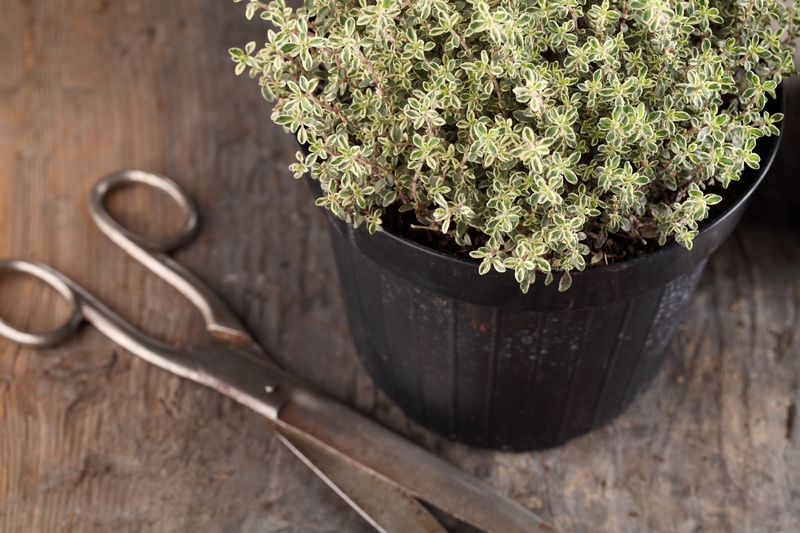
1. Assess Your Garden Before Winter Sets In
Inspect Plants and Remove Weak Growth
Begin your winter garden preparation by inspecting your plants for diseases or weaknesses. Remove damaged, dead, or diseased stems and foliage. Pruning in late autumn prevents infections from lingering and allows you to focus your protective efforts on healthy specimens.
Clean Up Debris and Fallen Leaves
While some debris can provide habitat for beneficial insects, too much can create hiding spots for pests and diseases. Collect and compost healthy fallen leaves, and dispose of any diseased plant material carefully.
2. Mulching: Nature's Winter Blanket
One of the most effective winter garden protection strategies is mulching. Applying a thick layer of organic mulch shields roots from freezing temperatures and temperature swings. It also suppresses weeds and helps retain soil moisture during dry winter spells.
Best Mulch Materials for Winter Protection
- Bark chips
- Straw
- Pine needles
- Shredded leaves
- Compost
Spread mulch 2-4 inches thick around the base of your plants, but keep it away from direct stem contact to prevent rot. For added effectiveness, mulch when the ground has already cooled but before a deep freeze sets in.
3. Secure Delicate Plants and Perennials
Use Cloches and Covers
Small, tender plants or young seedlings need extra protection. Garden cloches, cold frames, or fabric row covers can shield them from frost and biting winds. These tools trap heat and maintain a microclimate that helps sensitive plants survive.
Insulate with Plant Blankets and Burlap
Wrap shrubs and small trees with burlap or horticultural fleece for thorough winter garden safety. This not only guards against freezing temperatures but also against desiccating winter winds.
4. Protecting Trees and Shrubs in the Winter
Guard Against Frost Cracks and Sunscald
Sunscald and frost cracks occur when there's a rapid temperature change between sunny days and freezing nights. To prevent this, wrap the trunks of young or thin-barked trees with tree wrap or plastic spiral guards. Remove these guards in spring to avoid trapping moisture and pests.
Mulch Around the Base
Mulching around trees and shrubs helps regulate soil temperature and moisture, preventing root freeze-thaw cycles that can cause harm.
5. Watering Tips for Winter Garden Care
It's a common misconception that gardens don't need water in winter. In periods of little precipitation, the soil can become extremely dry. Here are some strategies to keep your plants hydrated and safe during winter:
- Water deeply before the ground freezes, especially for evergreens and newly planted trees and shrubs.
- Use mulch to help retain moisture in the soil.
- Monitor soil moisture levels during dry spells.
- Water early in the day to allow time for absorption before nightfall.
6. Preventing Winter Pests and Diseases
Some pests and pathogens overwinter in garden debris or soil. To reduce winter gardening issues:
- Clear away old plant matter that might harbor fungus or insects.
- Practice crop rotation in vegetable beds.
- Use organic fungicides or dormant sprays where diseases are a concern.
- Encourage birds to visit (they eat overwintering pests!) with bird-friendly habitats.
7. Safeguard Garden Infrastructure
Protect Pathways, Fences, and Raised Beds
Winter weather can damage wooden and stone hardscapes. Apply a sealant to wooden structures, and check for cracks or damage in raised beds and fences. Keep paths clear of ice and snow to prevent slips and further deterioration.
Care for Garden Tools and Equipment
Clean, sharpen, and oil garden tools before storing them for winter. Bring sensitive equipment and hoses indoors to prevent breakage from freezing.
8. Greenhouse and Indoor Plant Strategies
Maximize Greenhouse Efficiency
If you use a greenhouse, ensure all seals are tight to keep the heat in and cold out. Consider using bubble wrap insulation on glass panes, and maintain a heating system or thermal mass to stabilize internal temperatures.
Care for Indoor Potted Plants
Transition potted perennials and tender annuals indoors before frost hits. Place them near bright windows and maintain humidity with trays or misting to help them weather the drier indoor air.
9. Don't Forget Your Lawn!
Lawns can also suffer in winter. Prepare by:
- Raking up leaves and debris to prevent fungal diseases
- Aerating compacted soil
- Applying a winterizing fertilizer
- Refraining from walking on frozen grass to prevent damage
10. Planning and Prep for Next Year
Winter Is Perfect for Garden Planning
One often overlooked strategy for winter garden safety is long-term planning. Winter's slower pace is the ideal time to plan your spring garden, order seeds, design new beds, and assess which plants might need to be relocated or replaced for optimal growth next season.
Common Winter Garden Problems & Solutions
- Frost Heave: Frost can force plant roots above ground. Solution: Mulch well, and tamp soil down if heaving occurs.
- Snow & Ice Damage: Heavy snow can snap branches. Solution: Gently brush off snow, and use supports/stakes for vulnerable limbs.
- Salt Injury: Sidewalk salt harms nearby plants. Solution: Use alternatives like sand or cat litter and install barriers between salted paths and your garden.
- Wind Burn: Strong winter winds desiccate evergreens. Solution: Shield with burlap screens or plant windbreaks.
Expert Tips for Keeping Your Garden Safe in Winter
- Monitor local weather forecasts: Be proactive. When extreme cold or heavy snow is predicted, cover vulnerable plants and secure structures.
- Don't prune too early: Pruning in late fall can stimulate growth, leaving plants more vulnerable to winter injury. Wait until plants are completely dormant or until early spring.
- Identify your garden's microclimates: Some spots are naturally warmer or more sheltered--use these for your most delicate plants.
- Label new or less hardy plants: This makes it easier to remember which ones need extra care and covering each winter.

Spring Recovery: What to Do After Winter
When winter finally recedes, it's important to inspect your garden carefully for any damage or plant losses. Remove protective coverings and mulch gradually to avoid shocking your plants. Prune out winter damage, refresh mulch, and fertilize to kickstart spring growth.
Conclusion: Nurture and Protect for Year-Round Garden Health
With these comprehensive strategies for keeping your garden safe in winter, you'll offer your outdoor space the best protection possible against seasonal challenges. Remember, the efforts you put in now will pay dividends in healthier, more resilient plants come spring. From mulching and proper watering to securing infrastructure and monitoring for pests, proactive winter garden safety measures are your garden's first defense against nature's harshest season.
Ready your tools. Prepare your soil. Tuck in your plants and watch -- even through the cold -- as your garden stays strong, safe, and beautiful year-round.