020 3744 3778
Smart Garden Planning with Five Low Cost Low Effort Ideas
Posted on 26/06/2025
Smart Garden Planning with Five Low Cost Low Effort Ideas
Are you ready to transform your outdoor space with smart garden planning? Would you like to create a lush, productive, and beautiful garden that doesn't demand endless time or money? If so, this comprehensive guide is for you! We'll explore five innovative, budget-friendly, and low-effort gardening ideas that will help you achieve the garden of your dreams--all while saving resources and reducing stress. Whether you're a beginner gardener or want to streamline your routine, these tips will empower smarter gardening for any space.
Why Focus on Smart and Affordable Garden Plans?
Traditional gardening can sometimes feel overwhelming, especially with rising costs, limited time, and unpredictable weather. By embracing smart garden planning techniques, you can simplify your workload, reduce expenses, and consistently enjoy healthy plants. With a focus on low-cost low-effort gardening, you create a space that is both practical and sustainable--making gardening accessible for everyone.
Benefits of Smart Garden Planning:
- Reduced Maintenance: Spend less time weeding, watering, and tending to high-maintenance plants.
- Budget-Friendly: Implement plans that maximize every dollar and minimize waste.
- Greater Sustainability: Use water, soil, and resources more efficiently.
- Stress-Free Enjoyment: Create an outdoor sanctuary that's easy to manage and relaxing to enjoy.
- Higher Yields: Get more flowers, fruits, or vegetables with less effort.

Five Low-Cost, Low-Effort Ideas for Smart Garden Planning
These five ideas blend clever garden planning with minimal labor and cost. Integrating just one or two will make a noticeable difference, but combine all five to truly revolutionize your garden!
1. Start with Easy-Layout Raised Beds or Containers
One of the most effective smart garden planning strategies is to use raised beds or large containers. They deliver numerous benefits with minimal setup and maintenance costs, especially for beginners or those seeking to simplify their gardening experience.
- Less Weeding and Ideal Soil: Raised beds or containers create a barrier to weeds and allow you to fill with a perfect mix of soil and compost, leading to healthier plants with fewer pest issues.
- Effortless Access: Elevated beds mean no more bending and stooping--garden longer with less physical strain.
- Space-Smart Planning: Arrange beds or containers in patterns that make every inch productive, from narrow side yards to patios or balconies.
- Low Material Cost: Use recycled wood, bricks, cinder blocks, or big pots--many often available for free or inexpensively second-hand.
Tip: Start small--one or two raised beds or a few deep containers can yield plenty of produce or flowers for a fraction of the effort of traditional in-ground beds. This is perfect for smart, minimalist garden planning.
2. Choose Perennial Plants and Native Species
Investing in perennials and native plants is a cornerstone of low effort, low cost smart gardening. Perennials return year after year, saving you both time and replanting costs. Native species require minimal watering and are more resistant to local pests.
- No Annual Replanting: Once established, perennials offer flowers, herbs, or produce for years.
- Lower Water and Fertilizer Needs: Native and drought-tolerant plants thrive in your region's conditions.
- Support Wildlife: Attract pollinators and beneficial insects for a balanced ecosystem.
- Great Value: A small investment pays off over many seasons; ask neighbors for cuttings or divisions to lower costs further.
Selecting the right mix of perennials and natives is a classic example of smart, sustainable, low-cost garden design.
3. Mulch for Effortless Weed Control and Moisture
Mulching is the ultimate smart garden care hack: simply spread an organic or inorganic mulch over the surface of beds, and you'll drastically cut down on weeding, watering, and erosion.
- Weed Suppression: Mulch blocks sunlight, keeping weeds at bay and minimizing the need for manual removal.
- Water Retention: Reduce water usage by up to 50% as mulch slows evaporation.
- Soil Health: Organic mulches (like straw, wood chips, or leaves) break down to feed the soil, keeping your plants healthy and thriving.
- Low or No Cost: Use grass clippings, leaves, shredded newspaper, or free wood chips from tree companies.
How to Apply: Spread mulch 2-4 inches thick, keeping stems clear. Replace or top up as needed through the season for the best results. Truly a low effort, high impact gardening tip!
4. Rely on Drip Irrigation or Self-Watering Systems
Watering can be the most time-consuming garden chore, but with some simple, affordable upgrades, you can largely automate the job. Smart irrigation planning pays big dividends, especially in drier regions or for busy gardeners.
- Drip Irrigation: Inexpensive kits (less than $50 for small areas) deliver water right to plants' roots, using far less water than sprinklers while promoting deep growth.
- DIY Bottle Waterers: Upcycle plastic bottles for slow-release watering at virtually no cost--simply poke holes and bury them near plant roots.
- Self-Watering Containers: Choose or make pots with built-in water reservoirs for set-and-forget planting.
- Timer Upgrades: Pair your irrigation with a simple timer to make the system fully automatic and energy efficient.
Smart garden watering means healthier plants, fewer weeds, lower bills, and more time to enjoy your green sanctuary--not just work in it!
5. Practice Companion Planting and Succession Sowing
Companion planting is an old-fashioned smart gardening trick that is more relevant than ever. By grouping plants with complementary needs or pest resistance, you maximize space, reduce chemical use, and boost yields with hardly any extra effort.
- Pest Control: Basil repels flies and mosquitoes when planted with tomatoes; marigolds deter many common garden pests.
- Space Efficiency: Plant fast-growing crops like lettuce alongside slow growers like peppers or brassicas.
- Successive Cropping: Replant quick-maturing varieties every few weeks so you reap harvests throughout the season without re-prepping ground.
- Boost Yields: Smart garden layout increases total production without expanding your garden footprint.
Getting Started: Mix flowering herbs or insectary flowers (like alyssum, calendula, or nasturtium) with veggies and fruit. Try interplanting beans with corn or carrots with onions. Succession planting is a brilliant way to guarantee fresh produce for months, using one bed for multiple crops in turn.
Additional Tips for Smart and Sustainable Garden Planning
- Set Realistic Goals: Focus on a few well-planned areas first, and expand as your confidence grows.
- Compost: Turn kitchen scraps and yard trimmings into free fertilizer to nourish your soil.
- Grow What You'll Use: Prioritize favorite flowers, herbs, or veggies--and skip those you don't eat!
- Observe and Record: Make notes on what grows well, pest activity, and bloom times to improve your smart garden layout each year.
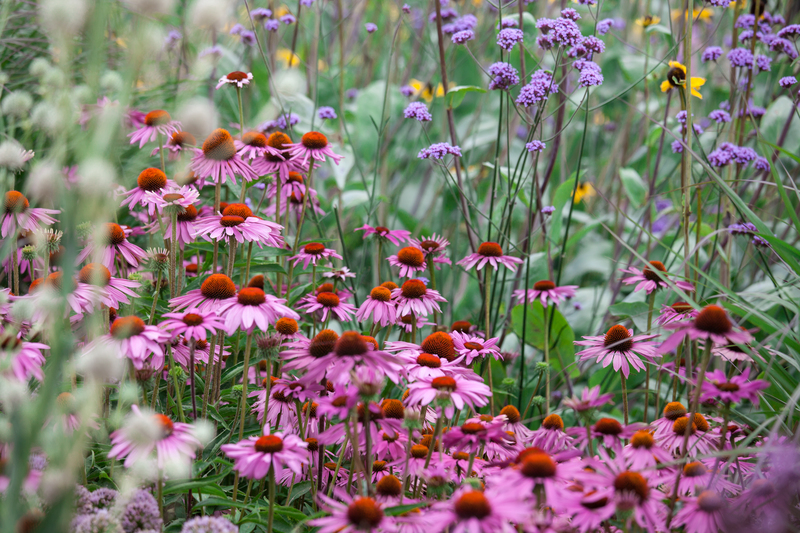
Begin Your Smart Garden Transformation Today!
Smart garden planning doesn't have to mean expensive gadgets or hours of work. By selecting practical designs, the right plants, efficient watering methods, and companion strategies, you'll grow a thriving, gorgeous outdoor space while keeping costs and effort low.
Remember, smart gardening is about working with nature, not against it. Evaluate your sun, soil, and space--then use these five low-cost, low-effort garden ideas to streamline both your planning and your workload. Start small, observe what works, and gradually add new techniques as you grow.
Quick Summary: Five Low Cost Low Effort Smart Garden Ideas
- Raised beds or containers: Fewer weeds, better soil, optimal design.
- Perennials and natives: Less maintenance, climate-resilient, long-term color and productivity.
- Mulch: Faster, easier weed control and water savings.
- Smart watering: Drip or self-watering for effortless hydration.
- Companion and succession planting: Maximize yields, improve pest resistance, continuous harvests.
Conclusion: Enjoy a Beautiful Garden with Smarter Planning
Every gardener has unique space, time, and budget constraints--but with these smart, affordable garden planning tips, anyone can achieve a stunning, productive garden. The techniques shared above are proven, accessible, and designed for maximum impact with minimum input. Whether you have a small patio or a large backyard, you can enjoy a healthier, more bountiful, and lower-maintenance garden--and all it takes is a bit of knowledge and creativity.
Start your smart garden transformation today, and discover the wonders of stress-free, sustainable outdoor living!
Related Resources:
- Royal Horticultural Society - Planning a Garden
- University of Georgia Extension - Garden Planning and Layout
- Companion Planting Guide
Do you have your own smart, low-cost garden ideas? Share them in the comments or connect with other smart gardeners online!